
It Takes a Village of Services.........
Massage therapy is an effective way to reduce muscle tension, improve circulation, relieve pain, and promote relaxation. While it provides significant benefits on its own, many people find that combining massage with other wellness practices enhances their overall health and recovery. Complementary therapies can address different aspects of physical and mental well-being, creating a more comprehensive approach to maintaining health. Stretching, acupuncture, chiropractic care, and yoga each offer their own benefits that work along with massage therapy to improve flexibility, reduce discomfort, and support long-term wellness.
**Stretching** is one of the most effective practices to prepare our body for any other movement. Massage helps relax tight muscles and reduce tension, while stretching lengthens those muscles and helps maintain the improved flexibility achieved during a massage session. Regular stretching increases joint mobility, improves posture, and reduces muscle strains or injuries. When performed consistently, stretching helps extend the benefits of massage by preventing muscles from returning to a shortened or tense state. Together, massage and stretching promote greater freedom of movement, faster recovery after physical activity, and improved overall physical function.
**Acupuncture** complements massage therapy by addressing pain and healing in other ways. Acupuncture involves inserting thin needles into specific points on the body to encourage the body's natural healing processes. It also works to restore balance within the nervous system. While massage focuses primarily on manipulating soft tissues, acupuncture works by stimulating the body's energy pathways and influencing the release of natural pain-relieving chemicals. Many individuals experiencing chronic pain, headaches, arthritis, or stress-related conditions find that combining massage and acupuncture provides more complete symptom relief than either therapy alone. Together, these treatments can reduce inflammation, ease muscle tension, improve circulation, and promote deeper relaxation.
**Chiropractic care** is another valuable partner to massage therapy because it focuses on proper alignment of the spine and joints. Muscle tension often develops in response to misaligned joints, while joint misalignment can result from tight or imbalanced muscles. Massage therapy helps loosen muscles that surround the spine and joints, making chiropractic adjustments easier and often more comfortable. After an adjustment, massage can reduce soreness, improve circulation, and help the muscles adapt to their corrected positions. This combination is commonly recommended for individuals with back pain, neck pain, poor posture, or repetitive stress injuries. In tandem, massage therapy and chiropractic care improve mobility, reduce pain, and help support proper body mechanics.
**Yoga** complements massage therapy by combining gentle movement, stretching, strength building, breathing exercises, and mindfulness. Massage relaxes the muscles and soft tissues, while yoga teaches the body to maintain flexibility, balance, and proper posture through regular movement. The breathing techniques practiced during yoga also reinforce the relaxation response that massage promotes, helping to reduce stress and anxiety. Individuals who receive massage and practice yoga often experience improved body awareness, greater range of motion, and enhanced emotional well-being. Yoga also helps strengthen muscles that support the joints, making the positive effects of massage longer lasting and reducing the risk of future injury.
Massage therapy becomes even more effective when combined with complementary wellness practices. Stretching helps preserve flexibility, acupuncture enhances pain relief and healing, chiropractic care restores proper alignment, and yoga promotes strength, balance, and relaxation. Each service addresses different aspects of health while supporting the goals of massage therapy. By incorporating these complementary approaches into a regular wellness routine, individuals can experience improved mobility, reduced pain, faster recovery, better stress management, and a greater sense of overall well-being.
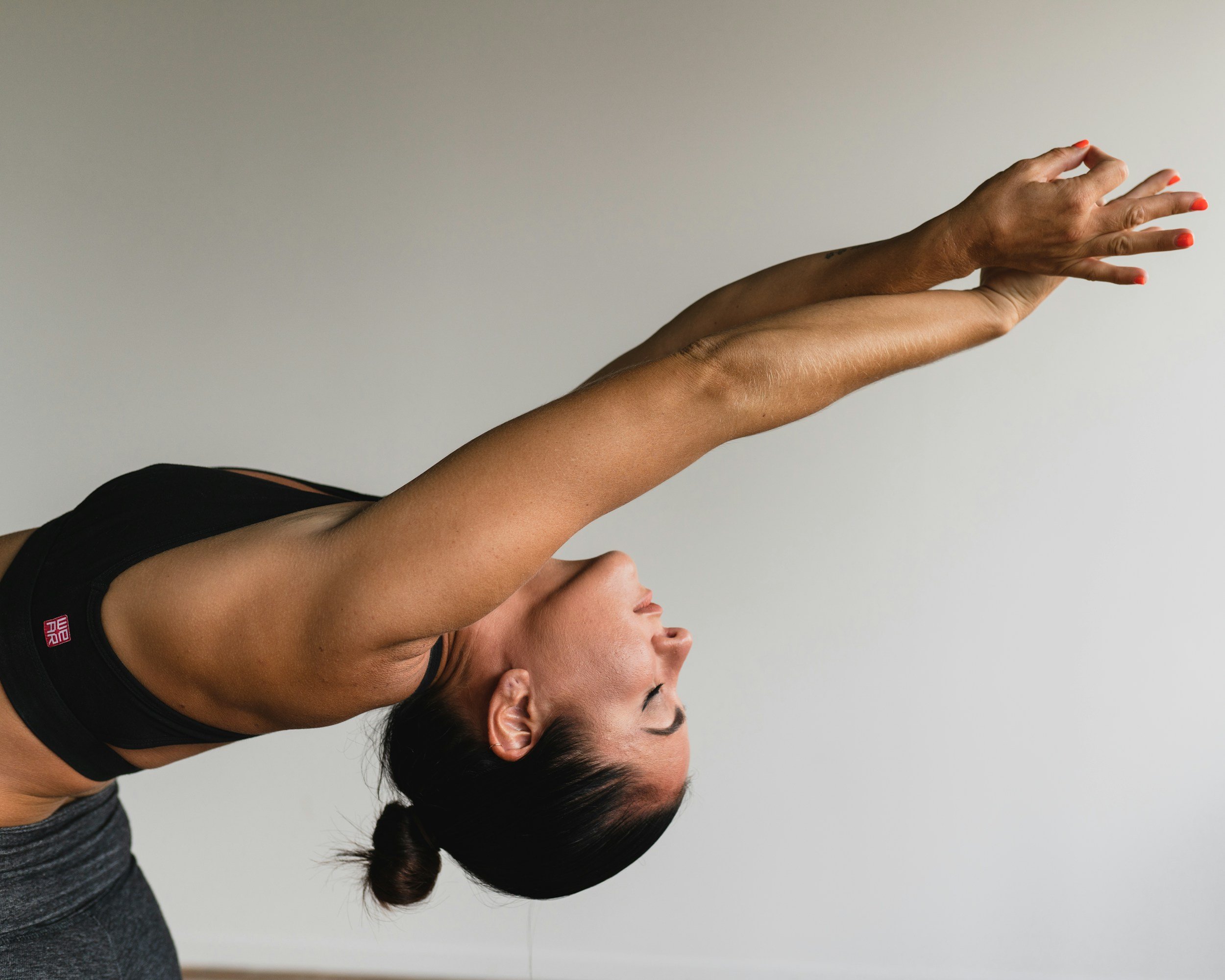
Woman stretching